Master AI-Driven Ecommerce Optimization for Higher Profits
The Blueprint for AI-Driven Ecommerce Optimization: Maximizing Profit in the Digital Age
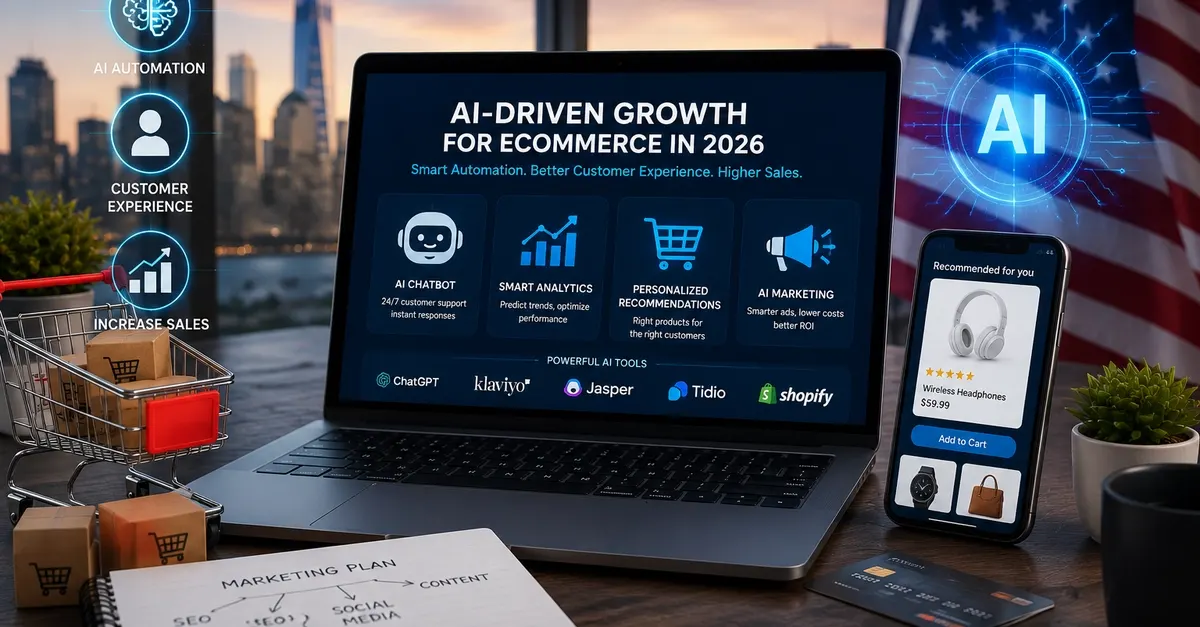
The landscape of online retail is undergoing a fundamental shift. As we move further into the decade, the competitive edge no longer belongs solely to those with the largest marketing budgets, but to those who leverage automation and intelligent data to drive efficiency. Artificial intelligence has transitioned from a futuristic concept to the primary engine behind high-growth digital storefronts. By integrating AI into your workflow, you can achieve higher conversion rates, drastically reduce customer acquisition costs, and foster long-term brand loyalty.
Whether you are a solo entrepreneur running a niche store on Shopify or a scaling brand looking to optimize operations, understanding the intersection of ecommerce and machine learning is essential. This guide explores the high-impact areas where AI can transform your revenue streams and how you can implement these strategies today.
Hyper-Personalization: The Key to Increasing Average Order Value
One of the most significant shifts in modern consumer behavior is the demand for relevance. Generic storefronts are losing ground to experiences that feel tailor-made for the individual. Through advanced personalization, AI algorithms analyze vast datasets—including browsing history, real-time clickstream data, and past purchase patterns—to present the most relevant products to each visitor.
Implementing these systems allows you to move beyond simple "related products" widgets. Instead, you can deploy sophisticated engines that understand the nuance of a shopper's intent. For example:
- On-Site Personalization: Tools like Nosto or Dynamic Yield allow brands to change the entire storefront experience based on the user's profile, showing different hero images or collections to different segments.
- Lifecycle Marketing: Using platforms like Klaviyo, you can automate email and SMS flows that trigger based on specific behaviors. If a customer frequently browses high-end accessories but hasn't purchased, AI can trigger a personalized discount code for that specific category.
By focusing on the individual journey, you naturally increase your Average Order Value (AOV) and Customer Lifetime Value (CLV) without needing to increase your top-of-funnel advertising spend.
Revolutionizing Customer Support through Intelligent Automation
In the world of online shopping, speed is a currency. A delay in answering a question about sizing or shipping can result in an immediate abandoned cart. Traditional customer service models are often slow and expensive to scale, which is why automation has become a necessity.
Modern AI-driven support tools have moved far beyond the frustrating, scripted chatbots of the past. Current solutions like Gorgias, Tidio, and Zendesk AI utilize natural language processing to understand context and intent. These tools can perform complex tasks such as:
- Answering specific product inquiries using your existing knowledge base.
- Providing real-time order tracking updates.
- Processing returns and exchanges autonomously.
For a growing brand, this means you can maintain a 24/7 support presence without the massive overhead of a global human support team. This efficiency allows you to reallocate your budget toward product development or ai-marketing initiatives.
Optimizing Operations with Predictive-Analytics
Profit margins in ecommerce are often won or lost in the warehouse. Overstocking ties up precious capital in stagnant inventory, while stockouts lead to lost revenue and frustrated customers. This is where predictive-analytics becomes a game-changer for your bottom line.
Rather than relying on "gut feeling" or simple historical averages, AI-driven forecasting tools analyze complex variables including seasonality, market trends, and even social media sentiment to predict future demand. Platforms such as Cin7, Streamline, or the built-in analytics suites within Shopify provide these insights, allowing you to:
- Optimize Inventory Levels: Order exactly what you need, when you need it, minimizing storage costs.
- Mitigate Supply Chain Disruptions: Anticipate shifts in demand to avoid being caught off guard by sudden trends.
- Improve Cash Flow: By reducing excess stock, you ensure that your capital is always working toward growth.
Scaling Content Production and SEO Efficiency
Content is the fuel for organic growth, but the sheer volume of product descriptions, meta tags, and blog posts required to rank on search engines can be overwhelming. Manually writing unique content for thousands of SKUs is neither scalable nor cost-effective.
AI content tools like Jasper or the integrated AI assistants within Klaviyo allow you to generate high-quality, SEO-optimized product descriptions in seconds. However, the real profit lies in the strategic application of this technology. To succeed, you should use AI to handle the bulk of the heavy lifting, then apply a layer of human oversight to ensure the brand voice remains consistent and the SEO strategy aligns with your long-term goals.
When used correctly, this hybrid approach allows you to dominate long-tail search queries, driving massive amounts of organic traffic to your store at a fraction of the cost of paid search.
Visual Discovery and the Future of Search
The way consumers discover products is changing. We are seeing a massive move toward visual-first search, where users upload images to find similar items rather than typing keywords into a search bar. This is particularly prevalent on social media platforms and mobile devices.
By integrating visual search tools like Syte into your ecommerce platform, you allow customers to engage with your catalog in a more intuitive way. If a customer sees a pair of shoes they like on the street, they can snap a photo and find a similar pair in your store instantly. This reduces the friction between "inspiration" and "purchase," creating a seamless path to conversion.
Summary of Implementation Steps
To begin integrating these technologies into your business, follow this tiered approach:
- Phase 1: Customer Experience. Implement an AI chatbot (Gorgias or Tidio) to handle immediate support needs and reduce response times.
- Phase 2: Revenue Optimization. Deploy personalization tools (Nosto or Klaviyo) to increase AOV through targeted recommendations and automated flows.
- Phase 3: Operational Scaling. Integrate predictive-analytics for inventory management and use AI content tools to scale your organic SEO presence.
The goal is not to replace the human element of your brand, but to use AI to handle the repetitive, data-heavy tasks that prevent you from focusing on high-level strategy and creative growth. In the modern ecommerce landscape, those who master these tools will be the ones who define the market.