Automated Regression Testing for Startup Scalability
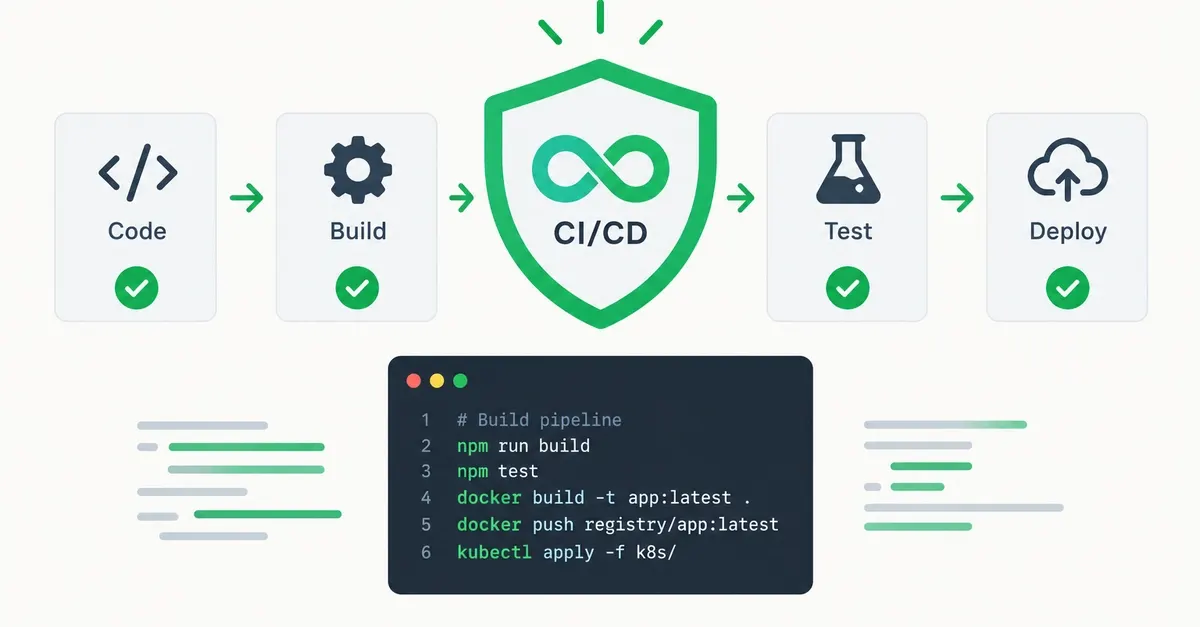
To implement automated regression testing without hiring a full-time QA department, you must abandon the goal of total coverage and instead build a "critical path" suite using Playwright or Cypress integrated into your CI/CD pipeline. This approach focuses strictly on revenue-generating flows—like checkout or authentication—to catch breaking changes during the pull request stage, preventing deployment delays.
Who is this for and what will it cost?
This method is designed for technical founders, solo developers, or small engineering teams (2–8 people) managing a SaaS product. It is not for large enterprises with dedicated QA departments or mobile-first companies requiring complex device farms.
Implementation Costs (Reported Case Ranges):
- Tooling: $0 (Open-
- Infrastructure: $20–$150/month (GitHub Actions or GitLab CI runner minutes).
- Labor: 20–40 engineering hours for initial setup and the first 10 core tests.
- Maintenance: 2–4 hours per week depending on frontend volatility.
Note: These figures represent the cost of building the system in-house. Outsourcing this to a freelance QA engineer on Upwork typically ranges from $40–$100/hour for setup, depending on the complexity of the application stack.
How do I select which tests to automate first?
Do not attempt to automate every button on your site. You will hit a "maintenance wall" where you spend more time fixing broken tests than writing new features. Instead, use a Risk-Based Testing approach. If a specific feature fails, does the company lose money immediately? If yes, automate it.
The Priority Hierarchy:
- Tier 1: Revenue & Access. User signup, login/OAuth, payment processing (Stripe/PayPal integration), and subscription upgrades. If these fail, your business stops.
- Tier 2: Core Utility. The primary action of your SaaS (e.g., if you are a CRM, the ability to create a contact; if you are a design tool, the ability to export a file).
- Tier 3: Settings & Profile. Changing an avatar or updating a password. These are important but rarely cause immediate business collapse if they break for an hour.
Which tools should I use for the stack?
Selection depends on your existing codebase. Choosing a tool that requires a different language than your developers speak is a recipe for a dead test suite.
- For TypeScript/JavaScript Stacks: Use Playwright (v1.40+). It has surpassed Cypress in my experience because of its superior handling of multiple browser contexts and faster execution in headless mode. It is the current industry standard for modern web apps.
- For PHP/Laravel Stacks: Use Pest or PHPUnit. These are built for the backend. You should use these to test your API endpoints and database logic before you ever touch a browser-based tool.
- For Complex Mobile Web/Hybrid: Use Appium. However, avoid this unless you specifically need to test native mobile interactions. It is significantly slower and harder to maintain than web-based automation.
How do I integrate this into my deployment workflow?
Tests are useless if they are run manually on a developer's laptop. They must live in your CI/CD pipeline. The goal is to make the test suite a "gatekeeper" that prevents a Pull Request (PR) from being merged if a regression is detected.
If you are using GitHub Actions, create a workflow file (e.g., .github/workflows/e2e.yml). This ensures that every time a developer pushes code, the environment is spun up, dependencies are installed, and the critical paths are checked.
name: Regression Gatekeeper
on:
 pull_request:
 branches: [ main ]

jobs:
 e2e-tests:
 runs-on: ubuntu-latest
 steps:
 - uses: actions/checkout@v4
 - name: Setup Node.js
 uses: actions/setup-node@v4
 with:
 node-version: '20'
 - name: Install Dependencies
 run: npm ci
 - name: Run Playwright Tests
 run: npx playwright test
 - name: Upload Report
 if: always()
 uses: actions/upload-artifact@v4
 with:
 name: playwright-report
 path: playwright-report/
Where did I fail when implementing this?
The biggest mistake I made was ignoring "Flakiness". In my first implementation, I wrote tests that relied on specific timing—waiting for a specific element to appear using a hard-coded sleep timer (e.g., wait(5000)).
This failed spectacularly. On a slow CI runner, 5 seconds wasn't enough, and the test failed. On a fast runner, 5 seconds was a waste of time. This created "flaky tests"—tests that pass sometimes and fail others without any code changes. This destroys team trust. If a test fails, the developer must know it's because the code is broken, not because the test is poorly written.
The Fix: Always use "Auto-waiting" features provided by modern frameworks. Playwright automatically waits for elements to be actionable (visible, stable, receiving events) before performing an action. Never use hard-coded sleep commands.
How does this differ from traditional QA outsourcing?
Many startups try to solve this by hiring a cheap QA agency on Fiverr or Upwork to "do testing." Here is how that differs from the automated DevOps approach described here:
- Speed: Out
- Cost Structure: Out
- Reliability: Human testers get tired and skip steps; automated scripts execute the exact same steps every single time.
- Context: Out