Make Money Creating AI-Generated 3D Mini-Games
The New Era of Micro-Games: How to Monetize AI-Generated 3D Experiences
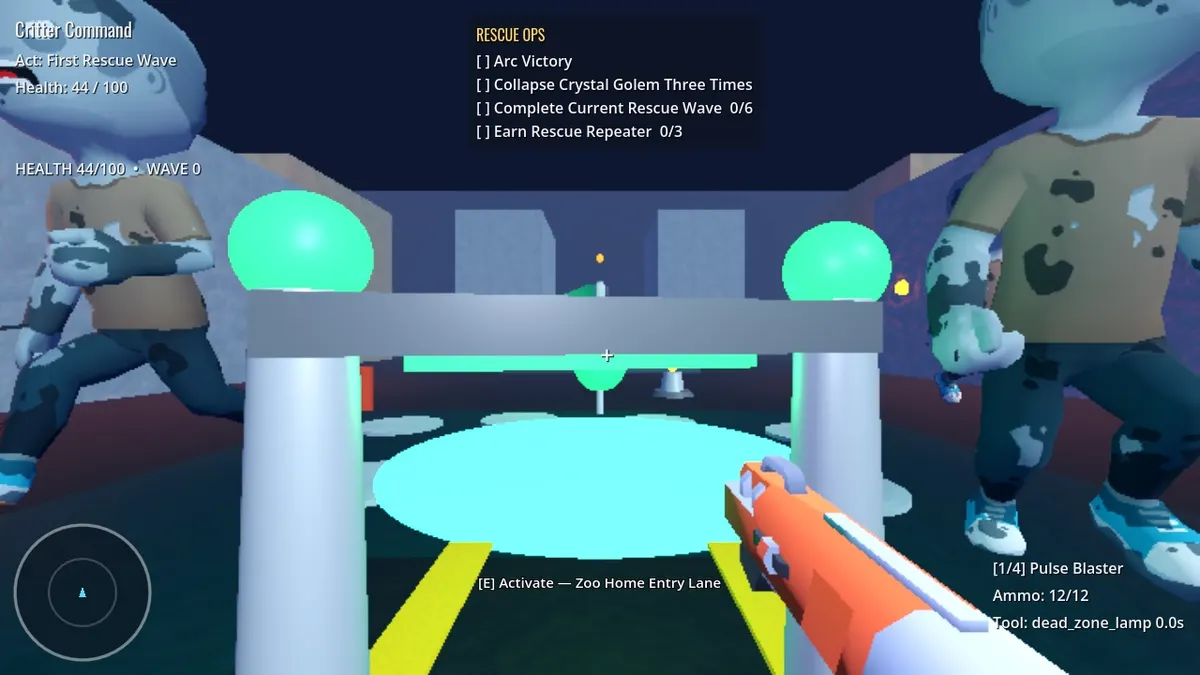
The barrier to entry for game development has historically been a massive wall of complex coding languages, expensive engines, and months of asset creation. However, a shift is occurring in the creator economy. We are entering the age of AI game generation, where a simple text prompt can manifest into a fully functional, interactive 3D environment. For entrepreneurs and digital marketers, this isn't just a novelty; it is a new revenue stream centered around high-value, low-friction digital assets.
The real goldmine lies in micro-games—small, highly engaging, browser-based experiences that can be embedded anywhere. By leveraging no-code AI tools, you can create interactive content that drives user engagement on websites, newsletters, and portfolios, turning passive viewers into active participants.
Understanding the Technology: Why WebAssembly Matters
To understand why this business model works, you must understand how these games reach the user. Traditional high-end games require massive downloads and specialized hardware. Modern AI-generated games, however, utilize WebAssembly. This technology allows high-performance code to run directly inside a web browser at near-native speeds.
Because these games are built using WebAssembly, they function exactly like an embedded YouTube video. They run within an <iframe> tag, meaning they don't require the host website to have special server configurations or complex plugins. This "plug-and-play" nature is what makes them a perfect product for the modern web.
Four Proven Monetization Strategies
If you can generate a game with a single sentence, how do you actually turn that into USD? Here are four practical methods to monetize this skill set.
1. The "Engagement-as-a-Service" Model (B2B)
Businesses are constantly struggling with "bounce rates"—the percentage of visitors who leave a website almost immediately. A static landing page is easy to ignore; a branded 3D mini-game is not. You can offer services to startups and e-commerce brands to create custom "Playable Demos."
- The Pitch: Instead of a "Watch Demo" button, offer them a "Play Demo" button.
- Target Markets: SaaS companies, product launch pages, and digital agencies.
- Pricing: You can charge anywhere from $200 to $1,000 per custom micro-game, depending on the complexity of the prompt and the branding integration.
2. Content Monetization
If you run a niche newsletter on platforms like Substack or a professional blog, user engagement is your primary metric for growth and ad revenue. Static articles are becoming harder to monetize in an AI-saturated world. By embedding a "Game of the Week" related to your niche, you increase time-on-page and repeat visitor rates.
- Example: A physics-based blog could embed a 3D gravity simulator. A finance newsletter could embed a simple "Market Volatility" mini-game.
- Monetization: Increased subscriber retention leads to higher sponsorship rates and premium subscription conversions.
3. Digital Asset Sales on Gumroad and Etsy
4. Freelance Micro-Game Development on Upwork and Fiverr
There is a growing demand on Upwork and Fiverr for "interactive web content." Rather than competing with massive game studios, position yourself as a specialist in micro-games. Your value proposition is speed: while a traditional studio takes three months to build a demo, you can deliver a polished, embeddable 3D experience in 48 hours.
Step-by-Step Workflow: From Prompt to Profit
To succeed in this space, you need a repeatable workflow. Using tools like Fusionery, the process becomes a streamlined loop of creation and deployment.
Step 1: Concept and Prompt Engineering
The quality of your output depends on your ability to describe a world. Instead of saying "a racing game," you must use descriptive language: "A neon-soaked cyberpunk street racer with low-poly aesthetics and high-speed drifting mechanics." The AI acts as your developer, planning the 3D world and even running an AI playtester to ensure the game is actually finishable and playable.
Step 2: Rapid Iteration
The beauty of no-code AI generation is the ability to pivot instantly. If a game feels too difficult, you don't rewrite code; you simply re-prompt. This allows you to "polish" the product until it meets professional standards before you present it to a client or publish it to your audience.
Step 3: Seamless Embedding
Once the game is ready, you publish it to a global CDN. This ensures the game loads quickly for users regardless of their location. You then copy the <iframe> code. This single line of HTML is your "product." You can paste it into a WordPress site, a Webflow project, or a custom HTML portfolio, and it works instantly.
Maximizing Value: The "Living Asset" Advantage
One of the most overlooked advantages of this method is that these games are "living assets." Unlike a video, which is static once uploaded, an embedded AI game can be updated in real-time. If you have a client who wants to change the seasonal theme of their website game from "Winter" to "Spring," you don't need to rebuild the site. You simply update the game in your studio, and the existing embed on their website updates automatically.
This creates a recurring revenue opportunity. You can move from a one-time project fee to a monthly "Maintenance and Content Update" retainer, ensuring a steady stream of USD from your client base.
Conclusion
The intersection of AI game generation and WebAssembly has created a massive gap in the market. There is a high demand for interactivity, but a low supply of easy-to-implement tools. By mastering the art of the prompt and the science of the embed, you can position yourself as a high-value digital creator in a landscape that is increasingly moving away from static text and toward immersive, playable experiences.