Make Money with Autonomous AI Business Operators via BizNode
The New Era of Digital Entrepreneurship: Building an AI-Driven Automation Agency
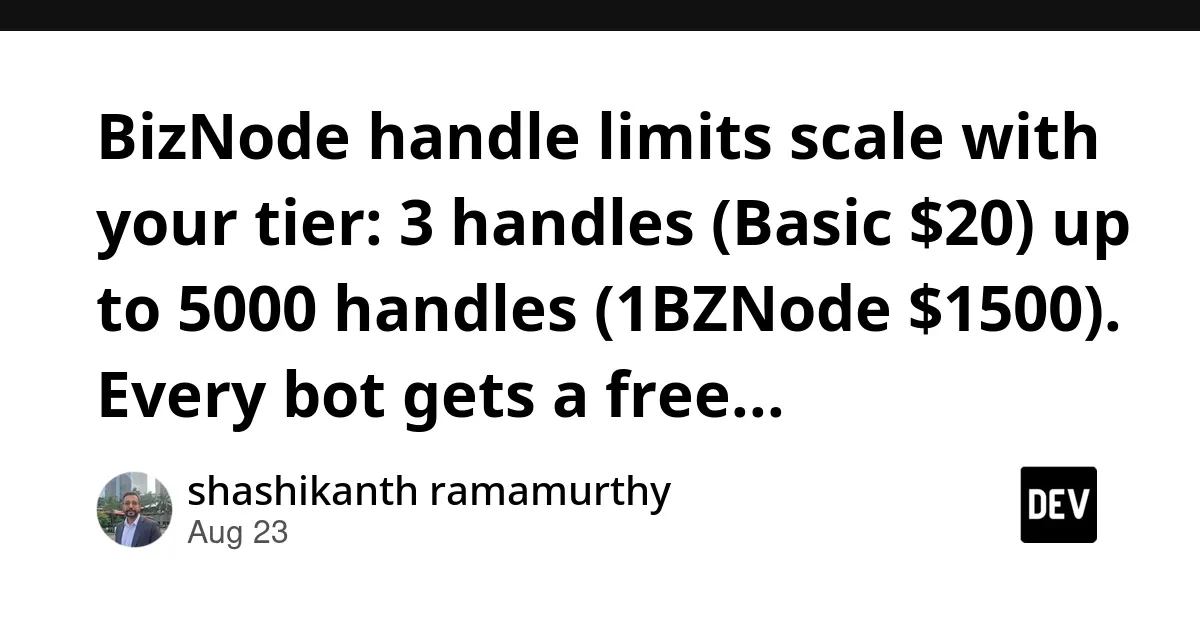
The most profitable path forward in 2025 is not just using AI, but owning the infrastructure that runs it. By transitioning from cloud-dependent tools to autonomous-agents that run on your own hardware, you can eliminate overhead, ensure data privacy, and build a scalable business-automation empire with near-zero marginal costs.
Moving Beyond the Cloud: The Power of Local-AI
Most AI tools operate on a "rented" model. You pay a monthly fee to access a model hosted in a remote data center. While convenient, this creates two major problems for serious entrepreneurs: privacy leaks and unpredictable scaling costs. When you are handling sensitive client data or proprietary business logic, you cannot afford to have that information living in someone else's database.
This is where local-ai changes the game. By deploying an AI brain directly on your own machine, you gain total sovereignty. Using tools like Ollama to run high-performance models such as Qwen3.5, you can execute complex reasoning tasks without an internet connection and without a single cent in monthly subscription fees. This shift from "Software as a Service" (SaaS) to "Software as an Asset" is the key to long-term profitability.
The Technical Stack of a Modern AI Operator
To build a professional-grade autonomous agent, you need more than just a chat interface. A true business operator requires a sophisticated stack that allows it to remember, act, and persist. A high-level setup includes:
- Semantic Memory: Utilizing Qdrant for Retrieval Augmented Generation (RAG). This allows your agent to "remember" past client interactions and technical documentation by searching through a vector database.
- Structured Data Management: A PostgreSQL CRM to organize leads, contact details, and transaction histories.
- Self-Healing Mechanisms: A "watchdog" system that monitors the agent's processes, ensuring the bot stays online 24/7 to handle lead-generation tasks even while you sleep.
- Automated Communication: Integrated email follow-up systems that trigger based on specific user behaviors or data inputs.
Monetization Strategies: From Developer to Agency Owner
Once you have mastered the deployment of autonomous-agents, there are several ways to turn this technical capability into a high-income stream. The goal is to move away from trading hours for dollars and toward selling automated results.
1. The Lead-Generation Agency
Companies are desperate for high-quality leads. Instead of hiring a team of virtual assistants to manually scrape LinkedIn or send emails, you can deploy a fleet of local bots. These agents can identify prospects, research their recent company news, and craft hyper-personalized outreach messages. Because you are running self-hosted models, your cost per lead is essentially just the cost of electricity, allowing you to undercut competitors while maintaining massive profit margins.
2. Custom Business-Automation Consulting
3. Digital Product Ecosystems
You can leverage your AI infrastructure to create and manage digital goods. For example, use AI to analyze market trends, generate high-value insights, and package them into digital assets. You can sell these on platforms like Gumroad or Fiverr. By integrating automated payment handles (supporting Stripe or decentralized options), your entire sales funnel—from lead capture to product delivery—can run without human intervention.
Scaling Your Infrastructure: Hardware vs. API
As your business grows, you will face a decision: do you keep expanding your local hardware, or do you move to a managed service? Both paths have distinct advantages depending on your current stage of growth.
The Local Hardware Approach (Maximum Sovereignty)
For developers and those handling sensitive client data, the local approach is king. By utilizing a node-based configuration, you can run multiple bots on a single machine. High-tier setups even allow for USB hardware-bound licensing, which provides an extra layer of security against physical tampering. This is the ultimate way to ensure that your "AI employees" are truly yours and cannot be shut down by a third-party provider changing their Terms of Service.
The API-Hosted Approach (Maximum Speed)
Practical Implementation: A Step-by-Step Workflow
To begin building your AI-driven business, follow this logical progression:
- Define the Use Case: Identify a repetitive, high-value task (e.g., responding to inbound sales inquiries).
- Set Up the Environment: Install Ollama and choose a powerful model like Qwen3.5.
- Deploy the Agent: Use a system like BizNode to manage your handles and ensure your agent has access to a PostgreSQL database for memory.
- Connect the Dashboard: Access your local dashboard (typically localhost:7777) to monitor your agent's performance and refine its instructions.
- Automate Payments: Integrate a payment handle so that when a lead converts, the transaction is handled instantly, completing the loop from lead-generation to revenue.
The transition from a traditional worker to an AI operator requires a shift in mindset. You are no longer just a service provider; you are an architect of automated systems. By prioritizing self-hosted solutions and autonomous-agents, you build a business that is private, scalable, and, most importantly, truly owned by you.