Monetize AI-Verifiable Changelogs with SaaS
The Evolution of Product Transparency: Building a SaaS for AI-Verifiable Changelogs
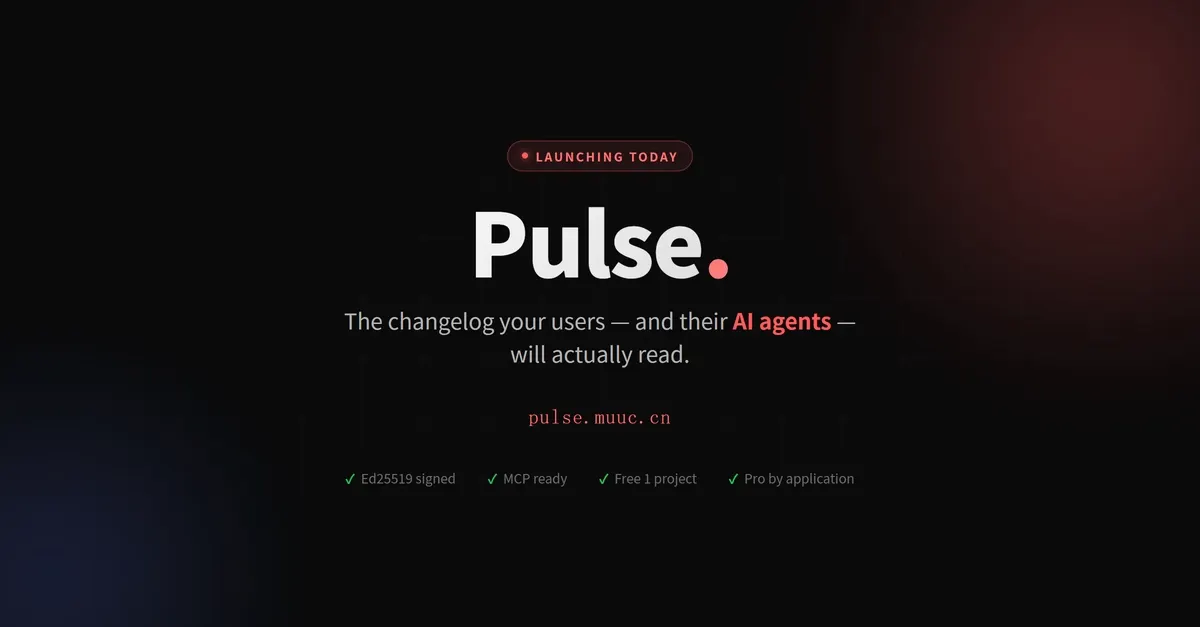
In the world of software development, the changelog is often treated as an afterthought. For most indie developers and small product teams, a changelog consists of a series of vague, uninspired updates: "v1.0.1 — minor fix," "v1.0.2 — bug fix," or "v1.0.3 — typo fix." These entries serve little purpose. They are rarely read by humans, and they are almost impossible for automated systems to parse meaningfully.
However, we are entering an era where the primary consumer of product information is shifting. By 2026, the most important reader of your documentation, your API updates, and your changelog will not be a human user—it will be an AI-Agent. When a user asks their assistant, "Is this software safe to upgrade?" or "What specific features were added in the last release?", the AI needs more than a vague sentence. It needs structured, verifiable, and high-fidelity data.
This shift creates a massive opportunity for developers to build niche SaaS products that bridge the gap between traditional software updates and the requirements of an automated, agentic economy. This guide explores how to build and monetize a specialized tool designed for the age of AI verification.
Identifying the Market Gap: The "Trust Deficit" in Software Updates
If you survey indie founders, you will find a recurring pattern regarding product updates. Many rely on GitHub Releases, which are developer-centric and lack branding. Others use expensive notification tools like Beamer but find them too bloated for small teams. Most importantly, almost no one is providing a changelog that is "machine-readable" in a way that guarantees authenticity.
The problem is trust. If a company's database is compromised, an attacker could theoretically inject fake updates into a changelog to mislead users or hide malicious changes. In a world where AI agents make autonomous decisions about which tools to use or when to trigger an update, a "fake" changelog is a significant security risk. This is where a Blockchain-alternative approach to data integrity becomes highly profitable: providing cryptographic proof of what actually happened, without the overhead of a traditional crypto network.
The Product Blueprint: Building a Verifiable Update Engine
To build a successful product in this space, you shouldn't just build a "blog for updates." You need to build a piece of DeveloperTools infrastructure. A high-value version of this product would include the following core features:
- Structured Content Management: A Markdown-based editor that allows developers to quickly tag updates (e.g., "improvement," "security," "breaking change") and organize them by month or version.
- Seamless Integration: A drop-in embed widget using a single <script> tag, allowing founders to display updates directly on their own landing pages without manual coding.
- Multi-Channel Distribution: Automated notifications
- The MCP Advantage: Implementing a Model Context Protocol (MCP) endpoint. This allows tools like Cursor or Claude Desktop to pull your changelog data directly into the AI's context window, making your product's updates instantly accessible to the user's AI assistant.
Implementing Cryptographic Verifiability
The "killer feature" that justifies a premium subscription is digital signatures. Instead of asking users to trust your database, you allow them to verify your data independently. Here is the technical workflow:
- Key Generation: When a user creates a project, the system generates a unique Ed25519 keypair.
- Signing: Every time a developer publishes a new update, the private key signs the entry (the title, body, and timestamp).
- Public Verification: The system hosts a public JSON file containing the project's public key. Any third-party tool or AI agent can download the update and the public key to verify that the signature is valid.
This ensures that even if your platform's central database is hacked, an attacker cannot forge a changelog entry because they lack the project's private key. This level of security transforms a simple utility into mission-critical infrastructure.
Monetization Strategies for Developer-Centric SaaS
1. The Freemium Hook
Offer a robust free tier for a single project. This allows indie developers to integrate your tool into their workflow with zero risk. This builds your user base and creates a "social proof" effect as your widget appears on hundreds of small sites.
2. The "Application-Only" Pro Tier
3. The Team/Enterprise Tier
This is where the real revenue lives. Once you have traction, launch a tier designed for growing companies. This tier should include:
- Multi-seat collaboration for product managers and engineers.
- Draft review workflows to ensure updates are polished before going public.
- Advanced analytics to see which updates are driving user engagement.
- Custom domains to keep the experience entirely white-labeled.
Scaling and Marketing Your Tool
Marketing to developers requires a different playbook than traditional B2C marketing. You cannot rely solely on flashy ads; you must rely on utility and presence.
Build in Public: Share your development journey on platforms like X (formerly Twitter) and specialized developer forums. Show the technical challenges you are solving, specifically regarding the cryptographic signing and the MCP implementation. This builds authority.
Content as Documentation: Use your own tool to document your product's growth. When users see that your own updates are verifiable, secure, and easy to read, they will naturally want to implement the same standard for their own software.
The transition from human-centric to AI-centric software consumption is inevitable. By building tools that provide structured, verifiable, and machine-readable data, you are positioning yourself at the forefront of the next major wave in the software economy.
If you are looking for more ways to build a profitable business, these real-world AI monetization case studies offer valuable inspiration.